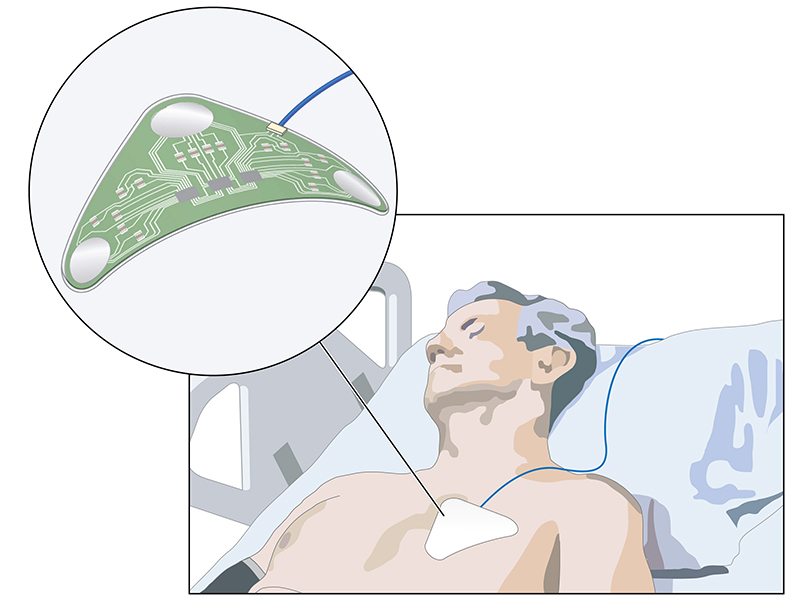

Wearable and portable medical devices provide continuous real-time feedback, helping make telehealth possible. For example, sensors within wearable mobile devices can remotely monitor health indicators, such as blood glucose, blood pressure, heart rhythm, pulse and other vital signs. Technological advances have made it possible for designers to develop mobile medical devices that not only monitor but also diagnose and provide therapies within a patient’s own home—away from hospitals and other healthcare facilities
Next-gen mobile medical devices must be comfortable to wear and able to withstand the rigors of a patient’s everyday life. At the same time, they must transmit and receive accurate data. These requirements often conflict, creating significant design challenges. Below are three such issues engineers need to consider when designing today’s medical devices.