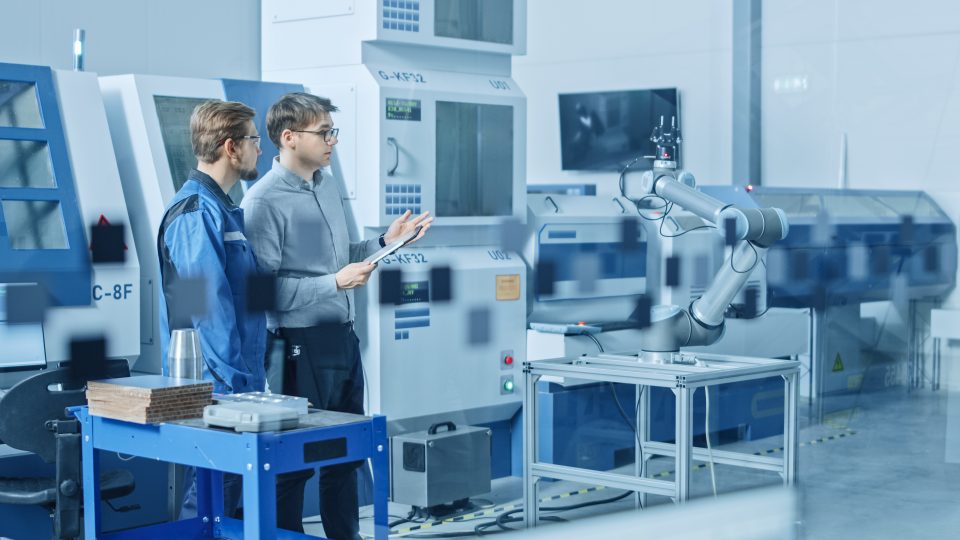

Industrial manufacturing is an essential part of modern life. All the products that we take for granted, from domestic appliances to the latest robots, rely upon an efficient and responsive manufacturing industry for delivery.
Changes in consumer behavior and expectations of rapid availability have forced manufacturers to adopt new industrial automation techniques. Modern factories need to be operationally flexible—able to swiftly switch processes in response to market changes. Manufacturers that have accelerated their adoption of new digital technologies have shown greater resilience. These technologies, collectively known as Industry 4.0, have driven the emergence of the smart factory.
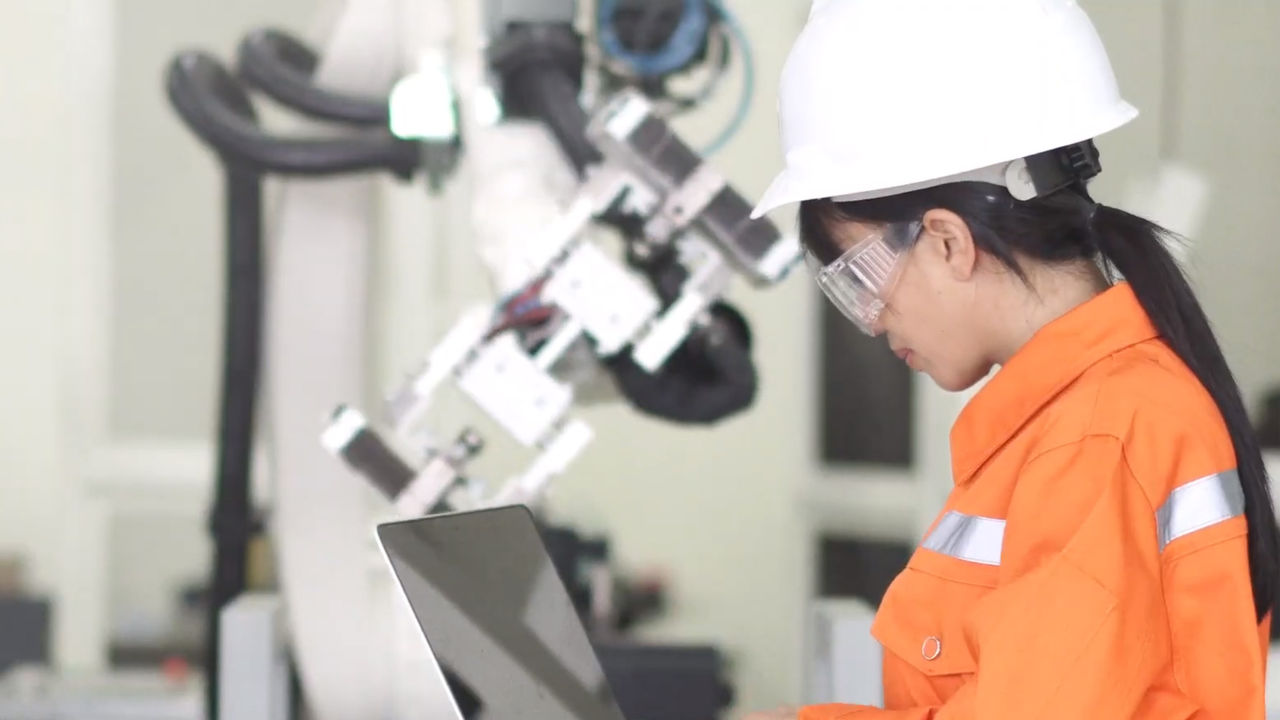
The smart factory combines operational technology (OT) with the latest information technology (IT). Real-time communication between machines and business applications creates a more responsive facility that can quickly and capably pivot as demands change. Improved spatial awareness and navigation capabilities enable the use of robotic process automation. However, the prolific use of autonomous robots creates the need for robust functional safety and information security protocols.