Humanoid robots are moving from controlled prototypes to deployed systems, where design tradeoffs impact performance and scalability. As humanoid robots transition from laboratory prototypes to industrial-scale platforms, engineers must reconcile conflicting architectural requirements. Routing high-torque power through compact actuator channels increases thermal load and introduces signal integrity risks in high-motion joints. These constraints necessitate interconnect solutions capable of managing significant current at the extremities while simultaneously integrating the high-density vision and LiDAR sensors required for 360-degree situational awareness. Many platforms still rely on hand-built wiring and non-standardized assemblies, which limit repeatability and make it difficult to scale from a single working prototype to consistent production units.
Resolving these issues requires a shift in interconnect strategy. High-density integration allows designers to fit power and data into confined spaces within the robot using ultra-compact board-to-board and hybrid solutions. Dynamic durability, enabled by high-flex cable assemblies and positive-locking interfaces, accommodates continuous multi-axis movement. At the production level, automated scalability replaces manual processes with machine-applicable interconnects, reducing assembly time and minimizing variability introduced by human error.
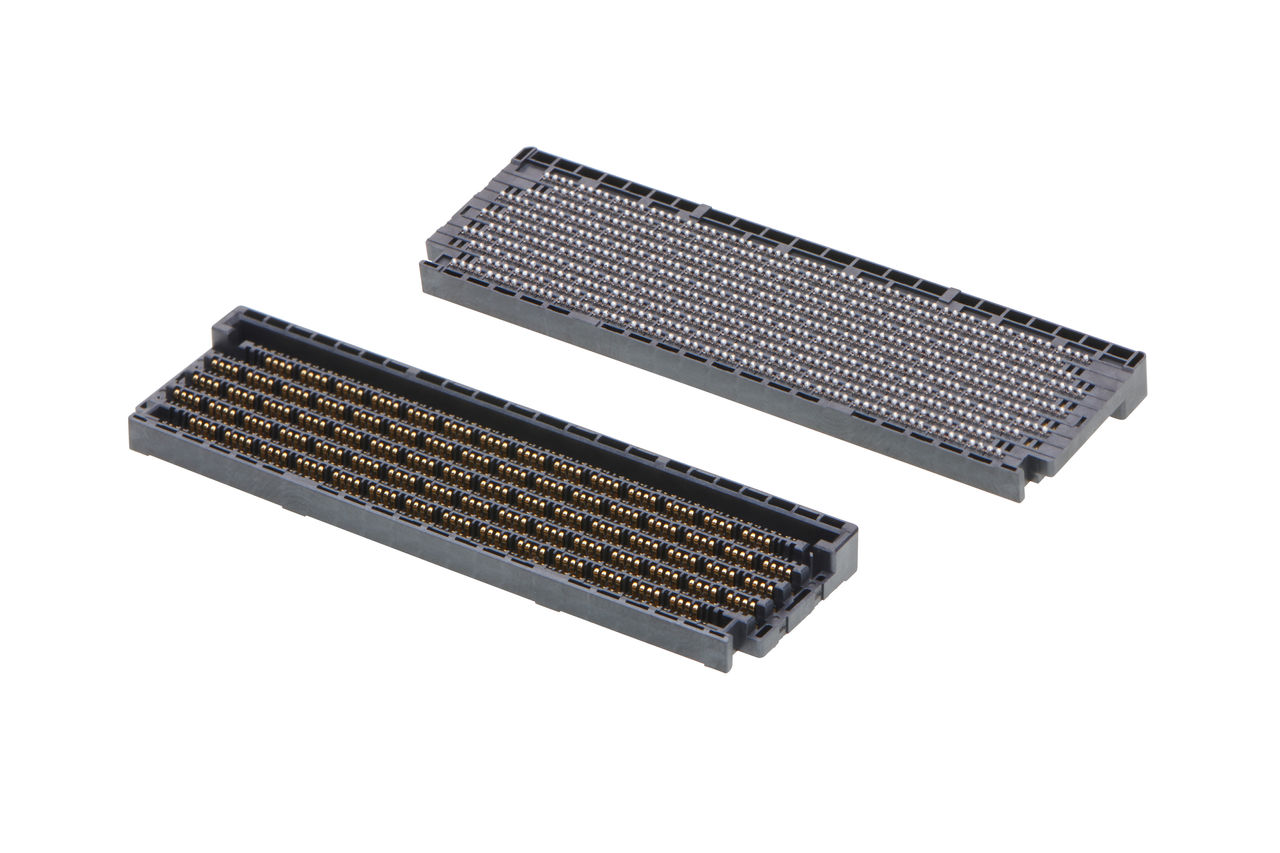
Molex supports this approach with interconnect solutions designed for space optimization, motion reliability and production consistency. High-density mezzanine connectors help reduce footprint and enable integration of advanced sensing systems within tight form factors. Flexible cable assemblies and vibration-resistant interfaces maintain signal and power integrity across joints after millions of motion cycles. Standardized, machine-applicable interconnect platforms enable repeatable quality and scalable manufacturing.