
Today’s skilled engineers are constantly at work developing state-of-the-art enhancements that help optimize the functionality of external cardiac defibrillators, also known as automatic external defibrillators (AEDs). Because these portable electronic devices use carefully timed electrical pulses to detect and treat abnormal heart rhythms, they present a unique set of design and manufacturing challenges reflecting numerous key dynamics.
Restoring the heart to a normal sinus rhythm requires the seamless syncopation of numerous connected components including capacitors, inductors, paddles and power supplies. This diverse collection of mechanisms—often sourced from multiple locations—need to work together consistently and repeatably to avoid malfunctioning when every moment counts. Because AEDs are sometimes installed in public places and used in emergency situations by individuals without clinical training, sophisticated electronics need to operate seamlessly at a moment’s notice even after long intervals sitting idle.
Preventing patient harm is equally as paramount as enabling timely intervention, so defibrillator designs need to optimize safety and dependability as well. The efforts of design engineers to achieve this level of functionality can be unexpectedly impeded by supply chain disruptions, R&D resource limitations and rapidly shifting regulatory guidelines—all of which can severely impact organizational decision-making and efficient commercialization.
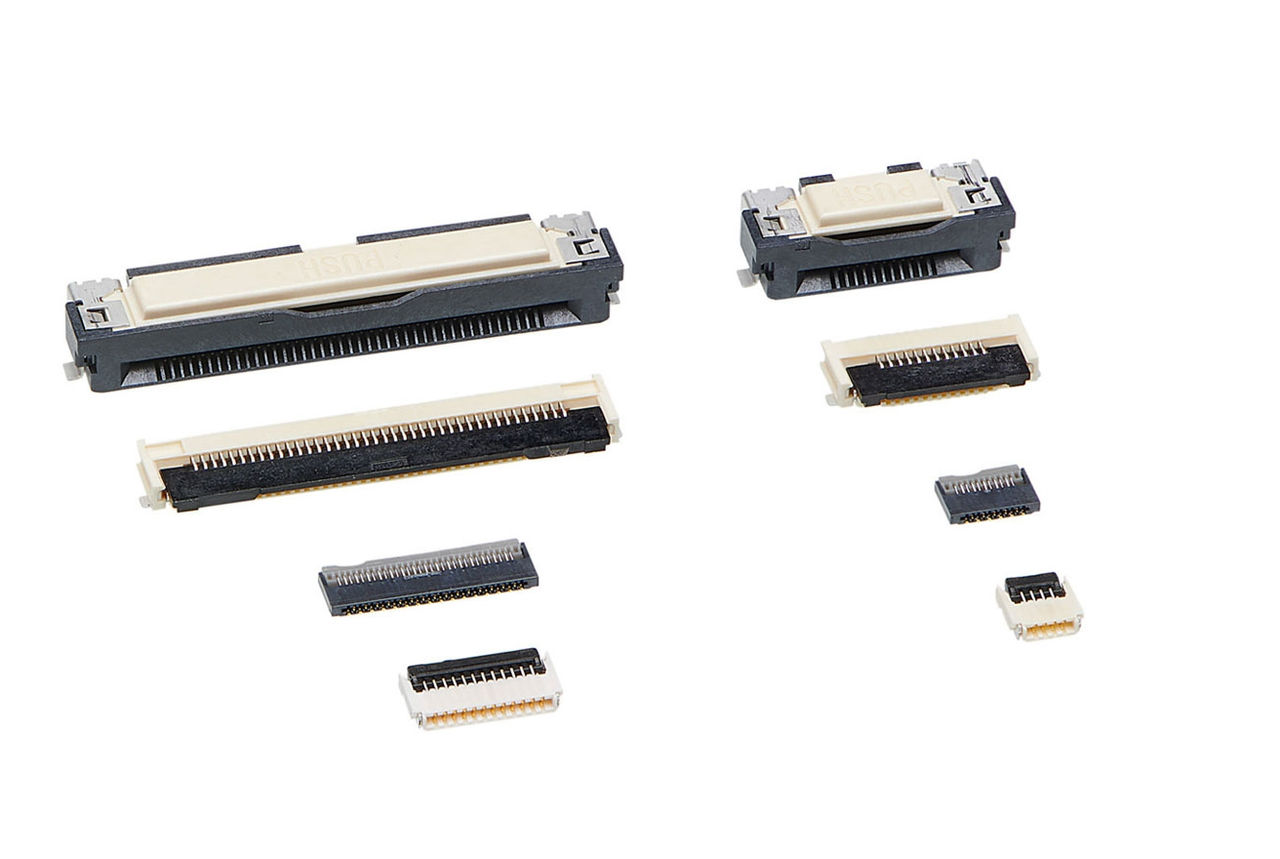
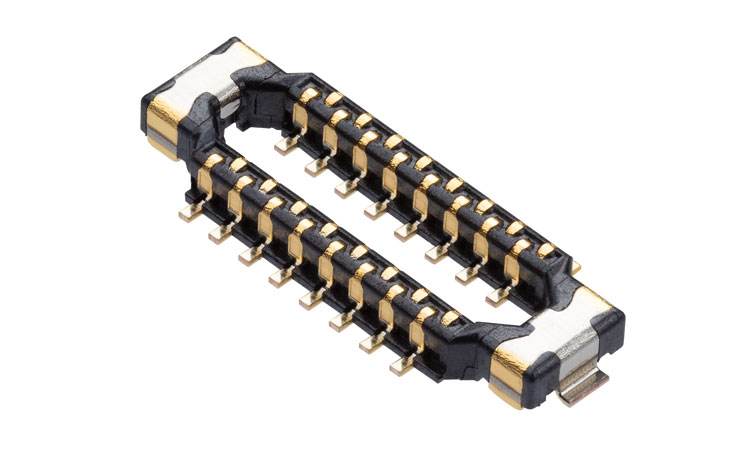
Phillips-Medisize, a Molex company, supports leading healthcare and life science organizations with over six decades of globally integrated design and manufacturing proficiency across highly regulated industries. Engineers and manufacturers considering new external cardiac defibrillator innovations can leverage one-stop expertise with complex custom cable assemblies, high-performance medical interconnects, precision injection molding and more—while simultaneously taking advantage of a robust supply chain network that helps eliminate production barriers and accelerate time to market. A strong emphasis on risk and quality management, design-for-manufacturability and rigorous regulatory adherence gives today’s innovators improved efficiencies, proactive product mitigation and peace of mind.